
 The Medi-Cal rules for skilled nursing care are undergoing a significant change. We are writing to provide this important update on the reinstatement of asset limits. Unfortunately, these will impact eligibility starting on January 1, 2026. Understanding which assets will and will not count effectively protects your family’s future.
For a period, Medi-Cal for long-term care did not have an asset limit, a welcome change that provided peace of mind for many Californians. However, that era is ending. The state is reinstating its asset test, which means the amount of your savings and property will again determine your eligibility for this critical benefit.
 Medi-Cal Asset Limits for 2026
For a single individual, the asset limit for Medi-Cal is $130,000. If an applicant has more than this amount in countable assets, they will not qualify for skilled nursing coverage. This change creates a new hurdle for many people who may require care in the future, particularly those who have worked hard to build a nest egg.
For married couples and registered domestic partners, the rules offer a different set of protections. The spouse needing care can have up to the single person’s asset limit, which is $130,000. Meanwhile, the community spouse, or the one who is not in a skilled nursing facility, may keep a specific amount known as the Community Spouse Resource Allowance (CSRA). For 2025, this figure is $157,920. Please note that this amount is subject to change in 2026, and we will update our clients as soon as the new figure becomes available.
These figures are not merely numbers; they represent the amount of a lifetime of savings that families can protect. Navigating these rules successfully requires careful planning with a knowledgeable elder law attorney.
Understanding Exempt vs. Countable Assets with Medi-Cal
Not all assets are counted against these limits. Medi-Cal considers many assets to be exempt, meaning they do not affect your eligibility. Your primary residence, for example, is exempt, provided you or a spouse live there. You may also keep one vehicle, household goods, personal effects, and a prepaid burial plan. Certain life insurance policies and retirement accounts, like an IRA or 401(k), are also exempt if you are taking regular distributions.
On the other hand, countable assets are the ones that must fall below the limits. This category includes cash, money in bank accounts, stocks, bonds, and any real estate other than your primary home. If your countable assets exceed the limits, you must “spend down” those assets to qualify for Medi-Cal. You can pay for medical bills, make home repairs, or pay off debts to reduce your assets to the required level.
A Hypothetical Case: The Case of the Smiths
 To illustrate the importance of planning, consider a hypothetical couple, Robert and Maria. Robert is 75, and Maria is 72. They have lived a comfortable life and own a home, a car, and a checking account with $15,000. They also have a savings account with $140,000. Robert is showing signs of dementia, and his condition is progressing. Maria knows that he will likely need skilled nursing care within the next year.
Without proper planning, their combined savings of $155,000 would put them over the limit for a married couple under the new 2026 rules, making Robert ineligible for Medi-Cal. Maria would have to spend down their joint savings until they reached the allowable amount. This would deplete the money they need to live on and leave Maria with little financial security as she cares for her husband.
However, a proactive approach with a qualified elder law attorney changes the outcome. Maria learns about the CSRA and the various asset protection strategies available to them. Their attorney advises them on how to legally restructure their finances, perhaps by purchasing an exempt asset or reallocating funds to ensure that Robert’s care does not bankrupt them. By taking action now, Maria protects their savings and ensures that Robert receives the care he needs while she maintains her financial independence.
This hypothetical situation is a reality for many families. Dealing with a diagnosis of dementia or another debilitating illness is emotionally and financially challenging. Without proper asset protection, the costs of skilled nursing care can quickly drain a family’s savings, placing an undue burden on the healthy spouse.
Why Proactive Planning Is Crucial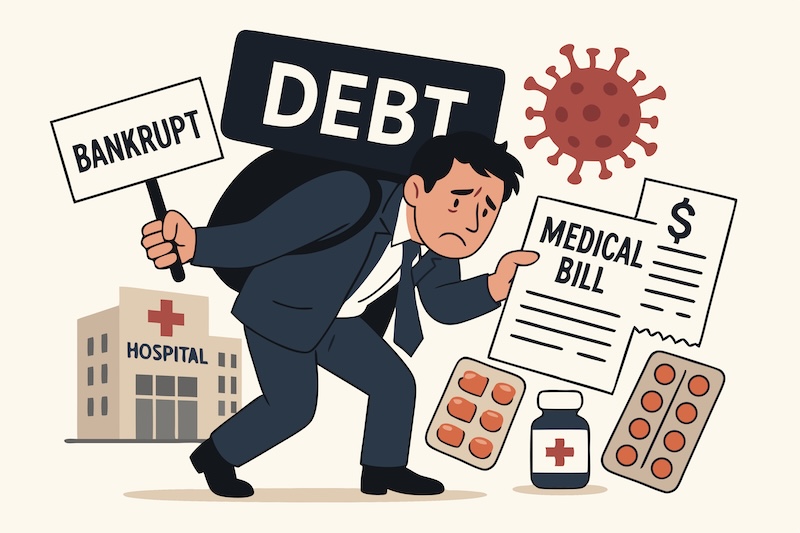
The return of the asset test on January 1, 2026, is not a minor policy change; it is a critical shift that requires immediate attention for anyone concerned about long-term care. Waiting until a crisis occurs to address these issues will likely result in costly mistakes and the loss of assets that could have been protected. An experienced Medi-Cal attorney can help you navigate this complex legal landscape.
Our dementia practice focuses on helping families prepare for the financial and legal realities of long-term care. We guide you through the process of inventorying your assets, distinguishing between what is countable and exempt, and implementing strategies to preserve your wealth. Our goal is to empower you with the knowledge and legal tools necessary to secure your financial future and provide for your loved ones.
These details are vital for protecting your family’s future and ensuring access to essential care. Please do not hesitate to contact us to discuss how these changes affect your estate plan. We are here to help you develop a personalized plan that provides peace of mind.
Register now for my upcoming Free Zoom Workshop — “What Happens If You Don’t Die?” Registration is free. But spaces are limited for the workshop, which will be held on Zoom on Thursday, September 25, 2025 from 10-11 a.m. Click on the QR Code to register.

 About Walnut Creek Elder Law in Walnut Creek, California
Michael J. Young is an experienced elder law, estate planning and asset protection planning attorney in Walnut Creek, CA. Mr. Young advises his clients regarding their estate planning needs with an emphasis on asset protection, Medi-Cal qualification, and preservation of assets for various levels of their care as they get older. Mr. Young’s journey into elder law began when his mother suffered from an acute injury that required her to be in a skilled nursing facility. He is co-author of the book, Don’t Go Broke in A Nursing Home and is the author of the “Alzheimer’s Legal Survival Guide.” Mr. Young presents monthly workshops in Walnut Creek regarding estate planning, asset protection, and Medi-Cal planning. He has helped many clients over the years successfully qualify for Medi-Cal and has protected their assets from state recovery. Call today to schedule a consultation (925) 256-0298.