Elder Law & Estate Planning Articles — Page 7 of 33

Why Baby Boomers Need a Different Estate Planning Approach
Estate planning ensures that your loved ones carry out your wishes after you die. But what you prioritize can differ greatly depending on your life stage. While younger generations might…
Hoarding and Dementia: Navigating Tough Estate Planning Waters
Planning for the future of an aging loved one is always a delicate task. However, it becomes even more complex when facing two challenging realities: hoarding and dementia. This combination…
Artificial Intelligence (AI) Reshaping Alzheimer’s Detection
Alzheimer’s disease (AD), a progressive neurodegenerative disorder, casts a long shadow over millions of lives worldwide. Early detection is crucial for timely intervention and improved…
Stepping into Safety: Fall Prevention Tips for Older Adults
As we age, the fear of falling becomes a prevalent concern. And with good reason. According to the CDC, one in four older adults experiences a fall each year, with consequences ranging from…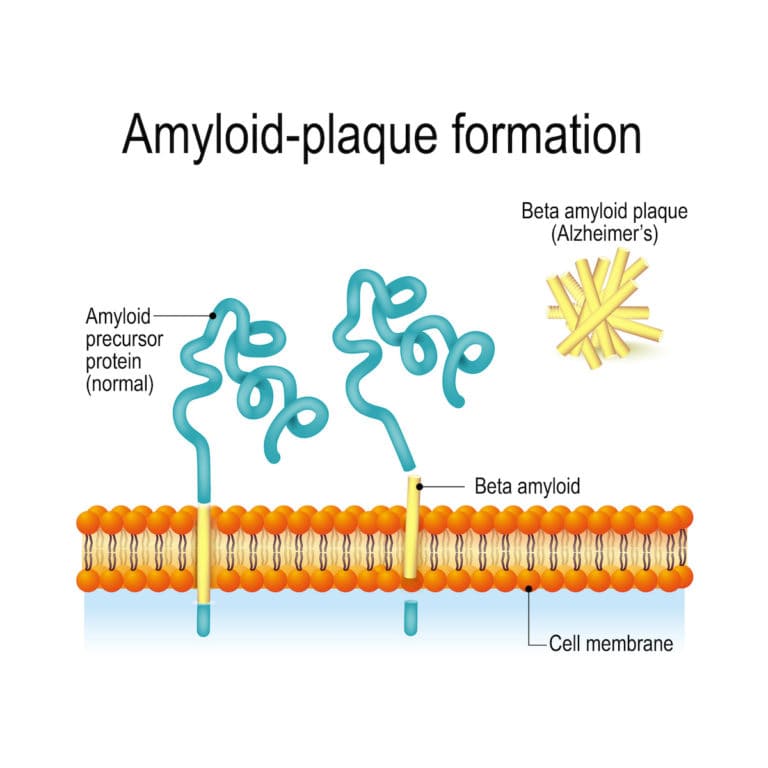
New Alzheimer’s Disease Developments
For decades, Alzheimer’s disease has loomed like a dark cloud, casting a shadow over individuals and families alike. Characterized by progressive memory loss and cognitive decline, it has…
Unsung Heroes: A Tribute to the Dementia Caregivers
In the complex world of dementia, where familiar faces blur and memories become whispers, walk the unseen angels – dementia caregivers. These are the individuals who hold steady amidst the…
Sleeplessness: What Worries Older People So They Can’t Sleep?
As we age, our lives change in many ways. Some changes are positive, like having more time for hobbies and spending time with loved ones. But there are also some challenges that come with…
Early Onset Dementia: Understanding Signs & Types
While dementia is often associated with older adults, it can also affect younger individuals. Early onset dementia, defined as dementia developing before the age of 65, accounts for…
Dementia & the Holidays
You may struggle if you have a loved one who has dementia during the holidays. Although the holidays can be a time of great joy and celebration, they cause stress and anxiety for couples…
Huntington’s Disease in Estate and Financial Planning
Huntington’s Disease (HD) is a genetic neurodegenerative disorder that causes progressive brain damage. Symptoms typically begin in mid-adulthood and worsen over time. HD can cause movement…
Have a question?
Most families start with a call. There is no obligation.
(925) 256-0298Schedule a Consultation