
 Protecting Your Family’s Legacy: Avoiding Probate for Your Home
Avoid Probate: A Common Concern, A Simple Solution
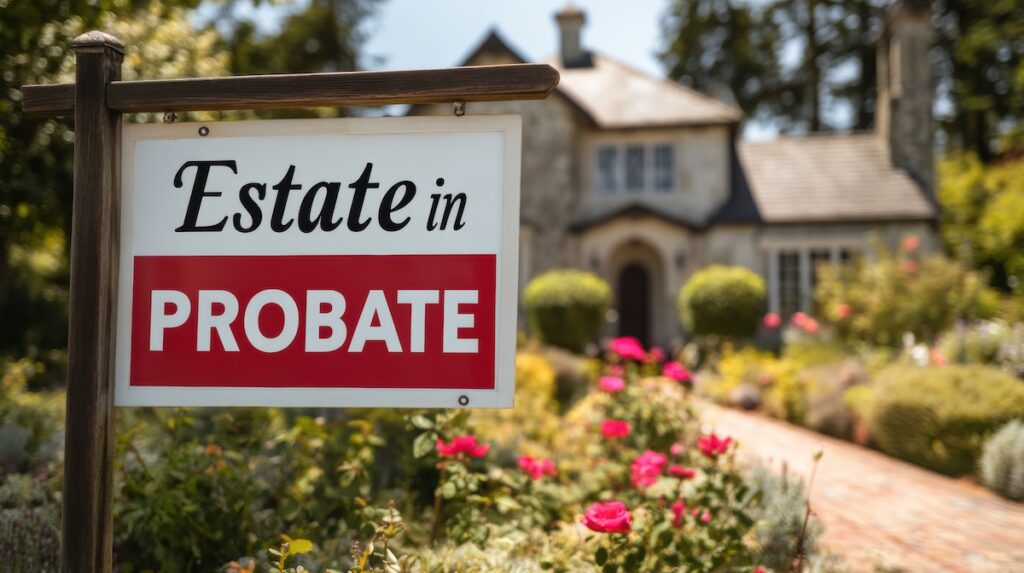
Imagine this: You receive a call, a difficult one, informing you of a loved one’s passing. Your mind immediately shifts to supporting your family, grieving, and navigating the emotional landscape of loss. The last thing you want to confront during such a tender time is a bureaucratic nightmare, a legal entanglement that drains both your inheritance and your emotional reserves. Yet, for many families, this scenario becomes a harsh reality when a home, often the most significant asset, falls into the clutches of probate court. Read to learn how to avoid probate for your home.
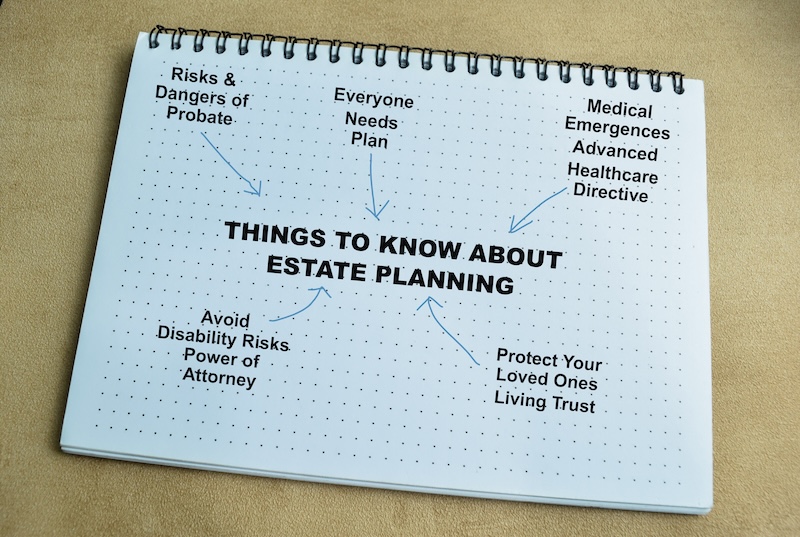
I’m Michael J. Young, an estate and long-term care planning attorney, and I witness this struggle far too often. My mission involves helping families navigate the complexities of estate planning, ensuring they protect their assets and their loved ones from unnecessary legal battles and financial drains. Today, I want to share crucial insights about one of the most common and easily avoidable pitfalls: probate for your home.
Understanding the Probate Maze: How to Avoid Probate For Your Home
 Probate represents the legal process where a court validates a will, identifies and inventories the deceased person’s property, pays debts and taxes, and distributes the remaining property to the rightful heirs. It sounds straightforward on paper, but in practice, it transforms into a time-consuming, expensive, and public ordeal.
Think of your home as a valuable treasure. When you pass away, the probate court essentially takes temporary custody of that treasure. It reviews every detail, from its fair market value to who receives it, before releasing it to your beneficiaries. This process, while designed to ensure proper asset distribution, often creates significant burdens for grieving families.
Many people assume that simply having a will protects their home from probate. This represents a widespread and costly misconception. A will, while an absolutely vital document for expressing your wishes regarding your property’s distribution, serves as a road map for probate, not a bypass. It tells the court where you want your property to go, but it does not prevent the court from overseeing the transfer. If your home remains solely in your name at the time of your passing, your family will almost certainly find themselves navigating the probate system.
 The Revocable Living Trust: Your Express Lane to Avoid Probate
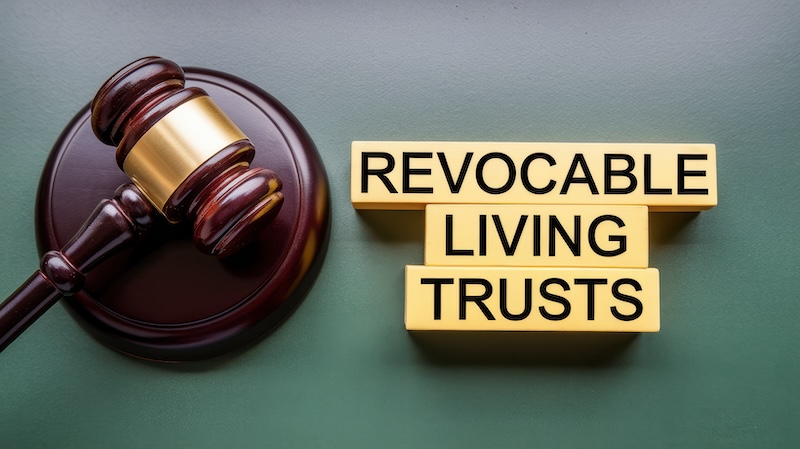
Fortunately, a remarkably effective and straightforward solution exists to avoid probate for your home: establishing a revocable living trust. This powerful estate planning tool allows you to transfer ownership of your assets, including your home, into the trust during your lifetime. You maintain complete control over these assets, acting as your own trustee. You can buy, sell, refinance, or even revoke the trust entirely. The key difference? When you pass away, the trust, not the probate court, dictates the transfer of your home to your chosen beneficiaries.
Here’s how it works: You create the trust document, naming yourself as the initial trustee and beneficiaries who will inherit your home. Crucially, you also name a successor trustee—someone you trust implicitly—who steps in to manage the trust assets upon your incapacitation or death. Then, you formally transfer the title of your home from your individual name into the name of your trust. This process, known as “funding the trust,” completes the essential step to avoid probate.
When your successor trustee takes over, they simply follow the instructions you meticulously laid out in your trust document. They transfer the home directly to your beneficiaries without any court involvement, public proceedings, or lengthy delays. This provides a seamless, private, and efficient transition of your most valuable asset.
The Hidden Trap: Probate for the Second Spouse
A particularly common scenario that brings families into my office involves the passing of both parents. Many couples believe that because they hold title jointly, or because they have a will, they have adequately protected their home. They understand that when the first spouse passes away, the home typically transfers to the surviving spouse without probate, thanks to joint tenancy or community property laws. This provides a false sense of security.
The real challenge arises when the second spouse passes away. At that point, the home, now solely in the name of the deceased surviving spouse, becomes a prime candidate for probate. Even with a will, the court must step in to oversee the transfer of ownership to the children or other heirs. This often catches families by surprise, leading to unexpected legal battles and significant financial burdens during an already difficult period of loss.
I have seen countless families grapple with this exact situation. They believe they have done everything right, only to discover that their parents’ home, a cherished family asset, becomes entangled in the slow, costly gears of the probate court. This is why proactive estate planning, specifically utilizing a revocable living trust, becomes absolutely critical for couples.
 The Cost of Inaction: “Probate Hell” and Financial Drain
The financial implications of probate can be staggering. Many people underestimate the true cost, believing it involves only minor court fees. However, probate involves much more. It requires attorney fees, executor fees, court costs, appraisal fees, and other administrative expenses. These costs can quickly add up, significantly eroding the value of the inheritance you intend for your loved ones.
Consider a home with a fair market value of $1,000,000. In California, attorney fees for probate are calculated as a percentage of the gross estate value. For a million-dollar home, attorney fees alone could easily reach $23,000. And it doesn’t stop there. The executor, the person responsible for administering the estate, also receives a statutory fee, which for a million-dollar home would also amount to approximately $23,000. That’s a combined total of $46,000 in fees that your family could avoid entirely with proper planning.
Beyond the financial drain, probate imposes a significant time burden. I often refer to this prolonged, frustrating period as “probate hell.” The process typically takes at least a year, and often much longer, depending on the complexity of the estate, court backlogs, and any disputes that may arise. During this time, the title to the home remains frozen. Your heirs cannot sell it, refinance it, or even fully utilize it until the court formally closes the estate. This delay can create immense financial strain and emotional distress for your family, especially if they rely on the home’s value for their financial stability.
Imagine your children waiting over a year to gain clear title to their childhood home, unable to make decisions about its future. This scenario, unfortunately, plays out repeatedly in probate courts nationwide.
Your Call to Action: Protect Your Loved Ones Today
The message becomes clear: protect your home and help your older loved ones protect theirs by ensuring they hold title in a revocable living trust. This proactive step represents one of the most loving and responsible actions you can take for your family’s future.
Don’t wait until it’s too late. The time to act is now, while you and your loved ones maintain the capacity to make these vital decisions. If your home, or your parents’ home, is currently held solely in their individual names or even jointly without a trust, you have a critical opportunity to prevent future heartache and financial loss.
As an estate and long-term care planning attorney, I guide families through this process every day. I help them understand the nuances of trusts, assist them with transferring assets, and provide the peace of mind that comes from knowing their legacy is secure and their loved ones are protected from the burdens of probate. Take control of your family’s future. Schedule a consultation to discuss how a revocable living trust can safeguard your home and ensure a smooth, private, and cost-effective transfer of your legacy to the next generation.
 About Walnut Creek Elder Law in Walnut Creek, California
Michael J. Young is an experienced elder law, estate planning and asset protection planning attorney in Walnut Creek, CA. Mr. Young advises his clients regarding their estate planning needs with an emphasis on asset protection, Medi-Cal qualification, and preservation of assets for various levels of their care as they get older. Mr. Young’s journey into elder law began when his mother suffered from an acute injury that required her to be in a skilled nursing facility. He is co-author of the book, Don’t Go Broke in A Nursing Home and is the author of the “Alzheimer’s Legal Survival Guide.” Mr. Young presents monthly workshops in Walnut Creek regarding estate planning, asset protection, and Medi-Cal planning. He has helped many clients over the years successfully qualify for Medi-Cal and has protected their assets from state recovery. Call today to schedule a consultation (925) 256-0298.