By Michael J. Young, Estate Planning and Elder Law Attorney, Walnut Creek, California
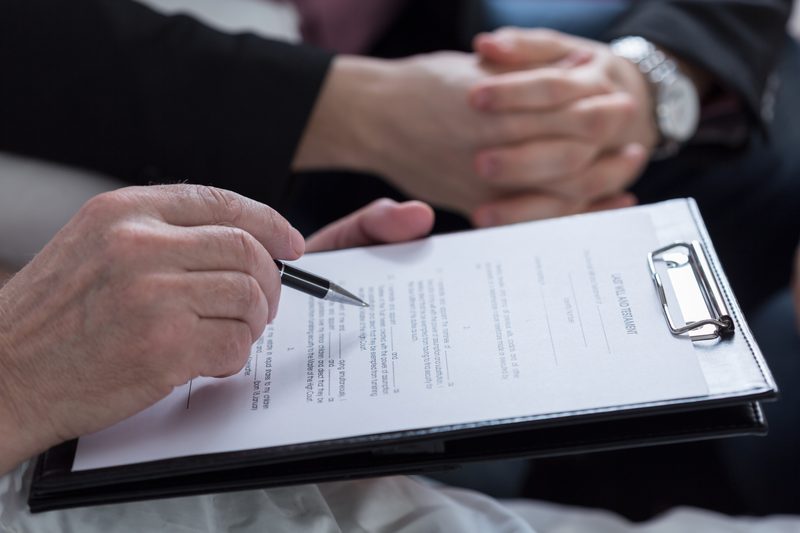
Short answer: Yes, you can create a complete California estate plan without coming to a law office. I meet with you and your family by Zoom, you fill out an online questionnaire, I email your documents to you for review, and you sign them in front of a notary public near you. I offer this remote representation to people anywhere in California.
Who is remote estate planning for?
I have been an estate planning and elder law attorney in Walnut Creek for more than 30 years. Some of my clients are older, are in poor health, or for some other reason find it hard to leave home, gather their children, and travel to my office. Others simply live too far away.
For those people I prepare the entire estate plan remotely. You can live in San Diego, Sacramento, Fresno, or anywhere else in California and work with me from your kitchen table.
How does remote estate planning work, step by step?
- Send an inquiry. Go to the contact page at walnutcreekelderlaw.com. Give your name, address, phone number, and email address, and tell me you are interested in remote representation for an estate plan.
- I call you. When I receive your inquiry, I call you and we arrange a Zoom meeting.
- We meet by Zoom. The meeting includes you, your spouse if you are married, and whichever children you want involved to help you. By the end I have a good idea of what your plan needs to do, including whether it should include asset protection for Medi-Cal.
- I get the deed to your home. If you own a home, you tell me, and I obtain a copy of the deed.
- You complete an online questionnaire. Fill it out as best you can. It comes back to me and I begin preparing your documents.
- You review drafts. I email the drafts to you. We go back and forth by phone, or by Zoom again, until everything is right.
- You sign at home. I email the final documents. You print them, and I give you step-by-step instructions for signing them properly before a notary public.
What documents are in a typical California estate plan?
- Revocable living trust. The center of most California estate plans.
- Deed transferring your home to your trust.
- Preliminary Change of Ownership Report. A form county recorders and assessors require before they will accept a deed for recording.
- Certification of trust. A short document you use when doing trust business with banks and other institutions.
- Pour-over wills. I explain how these work with your trust when we talk.
- Financial powers of attorney.
- Health care directives.
You can read more about these documents on my Estate and Asset Protection Planning page.
Can a remote estate plan include Medi-Cal asset protection?
Yes. Medi-Cal asset protection is part of the estate planning I do. Specific provisions go into the revocable living trust, and they are coordinated with provisions in the financial power of attorney, so the plan works with California’s Medi-Cal rules.
Those rules changed on January 1, 2026. According to the California Department of Health Care Services, Medi-Cal again counts assets for people who are 65 or older, have a disability, or live in a nursing home. The limit is $130,000 for one person plus $65,000 for each additional family member, and giving away assets on or after that date can delay long-term care coverage. If your plan was written before 2026, it is worth having it reviewed. See my Medi-Cal Planning page for more.
Questions and answers
Can I create a living trust in California without going to an attorney’s office?
Yes. The meetings are by Zoom and phone, the questionnaire is online, and the documents are sent by email. The only in-person step is signing before a notary public, which you do near your home.
Do I have to live near Walnut Creek to work with you?
No. I represent clients remotely throughout California.
Can my children join the Zoom meeting?
Yes. You decide which children, if any, take part. Many clients want a son or daughter there to help.
How do I sign my estate planning documents if I never come to the office?
You print the documents I email to you and sign them before a notary public, following the written instructions I provide.
How do I get started?
Send an inquiry through walnutcreekelderlaw.com and say you are interested in remote representation, or call my office at (925) 256-0298. I will call you to set up a Zoom meeting.
About the author
Michael J. Young is an estate planning and elder law attorney with more than 30 years of experience. His office, Law Offices of Michael J. Young, Inc., is at 1931 San Miguel Dr., Suite 220, Walnut Creek, CA 94596, and he represents clients remotely throughout California.
This article is general information, not legal advice, and reading it does not create an attorney-client relationship. Every family’s situation is different. This is attorney advertising.